
Creative Direction for Content Creators
Compare the scope, process, and key decisions behind creative direction for content creators, with practical detail on deliverables before you choose support.
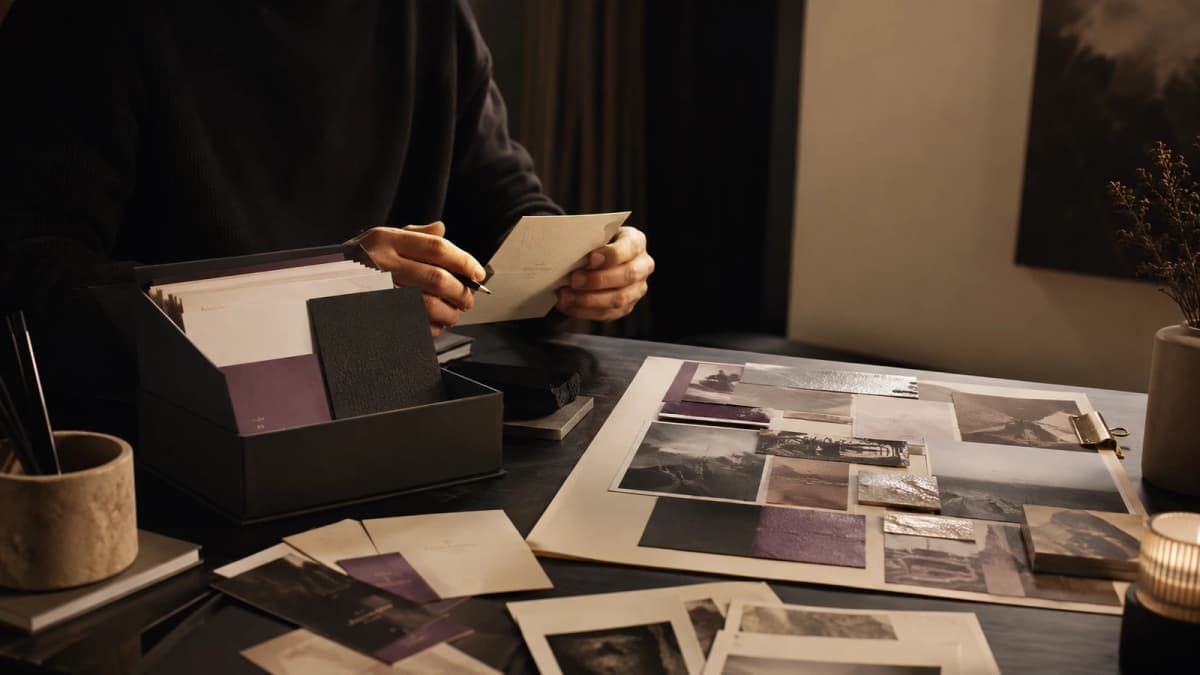
This service is for creators and teams that can produce content but lose time or quality while choosing the angle, evidence and execution. The focus is tailored creative direction that resolves connected choices before the shoot.
Quick answer
creative direction for content creators is for creators who can film but lose time choosing angle, proof and scene order. Expect diagnosis, concept, opening frame, scene/proof plan and claim-safe caption direction — not guaranteed reach or sales.
Deliverables
- Creator and lane diagnosis: who the content is for, constraints, and the decision currently blocking production.
- Concept rationale: why this angle fits the audience promise and what it will not try to do.
- Hook and opening frame: first visible moment + spoken or on-screen open, matched to the payoff.
- Scene and proof plan: ordered beats with the evidence that must appear on camera.
- Caption direction and backup route: primary CTA plus one lower-pressure alternative if the first underperforms.
Confirm current scope, turnaround, and pricing on the live store or service page before purchase.
Best-fit client
A strong fit is a creator who needs useful ideas without adding unnecessary production work with a real business, reputation, campaign or publishing system at stake. The client can provide honest product or expertise details and is willing to make final factual and brand decisions.
Not the right fit
It does not guarantee views, sales, rankings or partnerships. A free template is usually enough when the concept and proof are already clear and the only need is organisation.
Working process
- Input: lane, audience, objective, creator mode, offer or product facts, access and boundaries.
- Diagnosis: identify the decision that currently blocks useful production.
- Direction: develop the concept, opening, scenes, proof and next action as one system.
- Review: check facts, claim boundaries, creator voice and production fit.
- Delivery: organise the material for use at planning, filming and approval.
Quality and originality standard
In Creative Direction for Content Creators, concepts should be developed from the client’s brief and evidence. They must not imitate a named creator, copy a competitor article or reproduce a campaign without permission. References may establish visual or strategic context, but the final angle and example must be original.
Proof before purchase
In Creative Direction for Content Creators, in Are results guaranteed?, the live site should show a representative sample, photographed dossier pages, a clear explanation of customisation and transparent terms. Use pilot evidence only with permission and state exactly what was measured. Do not substitute invented testimonials.
What you decide before the first take
- Audience job: what the viewer should understand or do after 15–45 seconds.
- Proof standard: what must appear on camera so the claim is honest.
- Opening frame: the first visible moment matched to the cover promise.
- Scene order: context → demonstration → proof insert → close.
- Boundary list: claims you will not make; revisions that count as new work.
How direction reduces revision loops
Most revision cost comes from unmade decisions, not from bad lighting alone. When the brief names the proof and the forbidden claims, feedback becomes “this proof is missing” instead of “make it more premium.” That is the operational value of creative direction for content creators.
Example engagement model
- Discovery call inputs: lane, offer, access, privacy, weekly hours.
- Direction pack: concept card, shot order, spoken-line options, caption angle.
- Creator pass: natural performance inside the locked structure.
- Review pass: claim check and one structured feedback round.
Frequently asked questions
How is this different from a template?
A template provides fields. The service makes the connected decisions inside those fields for a particular audience, lane and constraint.
Will the final work sound like the creator?
It should. Direction protects the message and evidence while leaving room for natural vocabulary and performance.
Are results guaranteed?
No. Creative direction can improve clarity and readiness, but distribution, audience response and commercial outcomes depend on many factors.
Review current options
Visit the AnomalyBox store for current scope, availability, examples and pricing. Confirm all live commercial details before publishing this page.
Next step
For Are results guaranteed?, turn the decisions on this page into one shoot card before opening the camera app: promise, three beats, proof insert, claim boundary, CTA. If those choices still stall every week, review AnomalyBox private direction for tailored, shoot-ready dossiers — not another idea dump.
Related guides
Continue with the most useful next step for your format, workflow, or production constraint.